I am an amateur astronomer and astrophotographer. I post some of my results here. All images are made available under a CC BY-NC-SA license. If you want to be notified about new astrophotos, you can subscribe to my Atom feed.
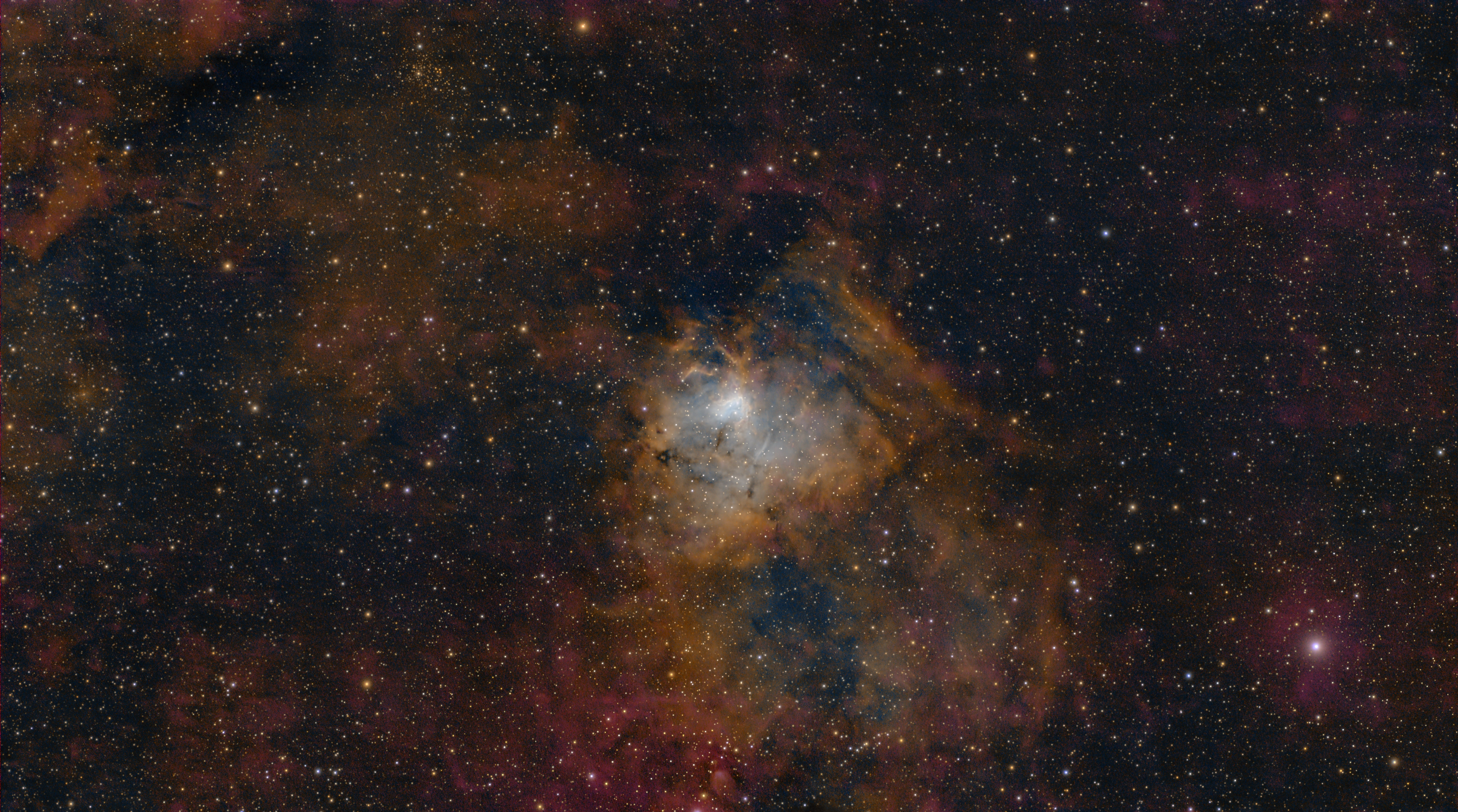
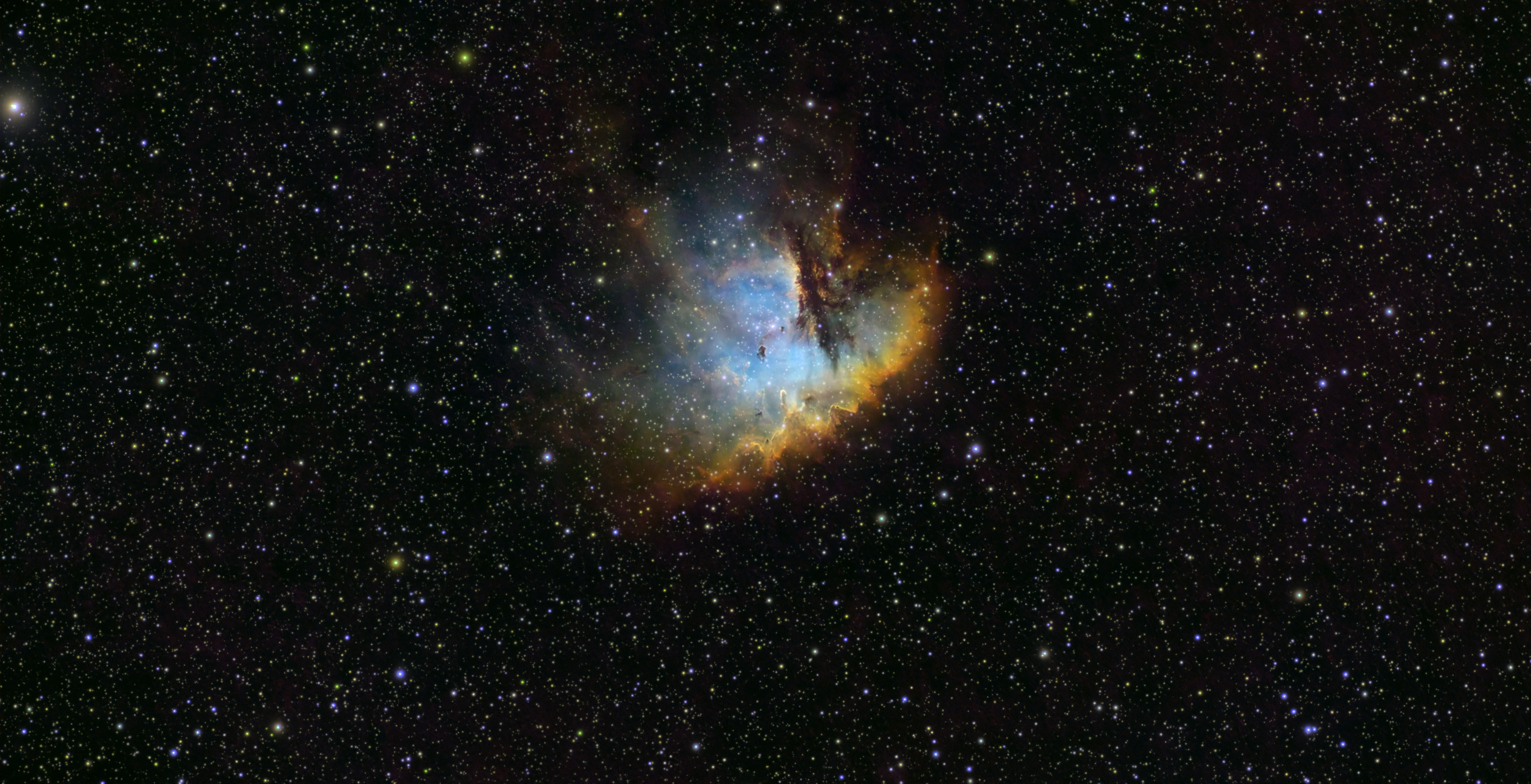
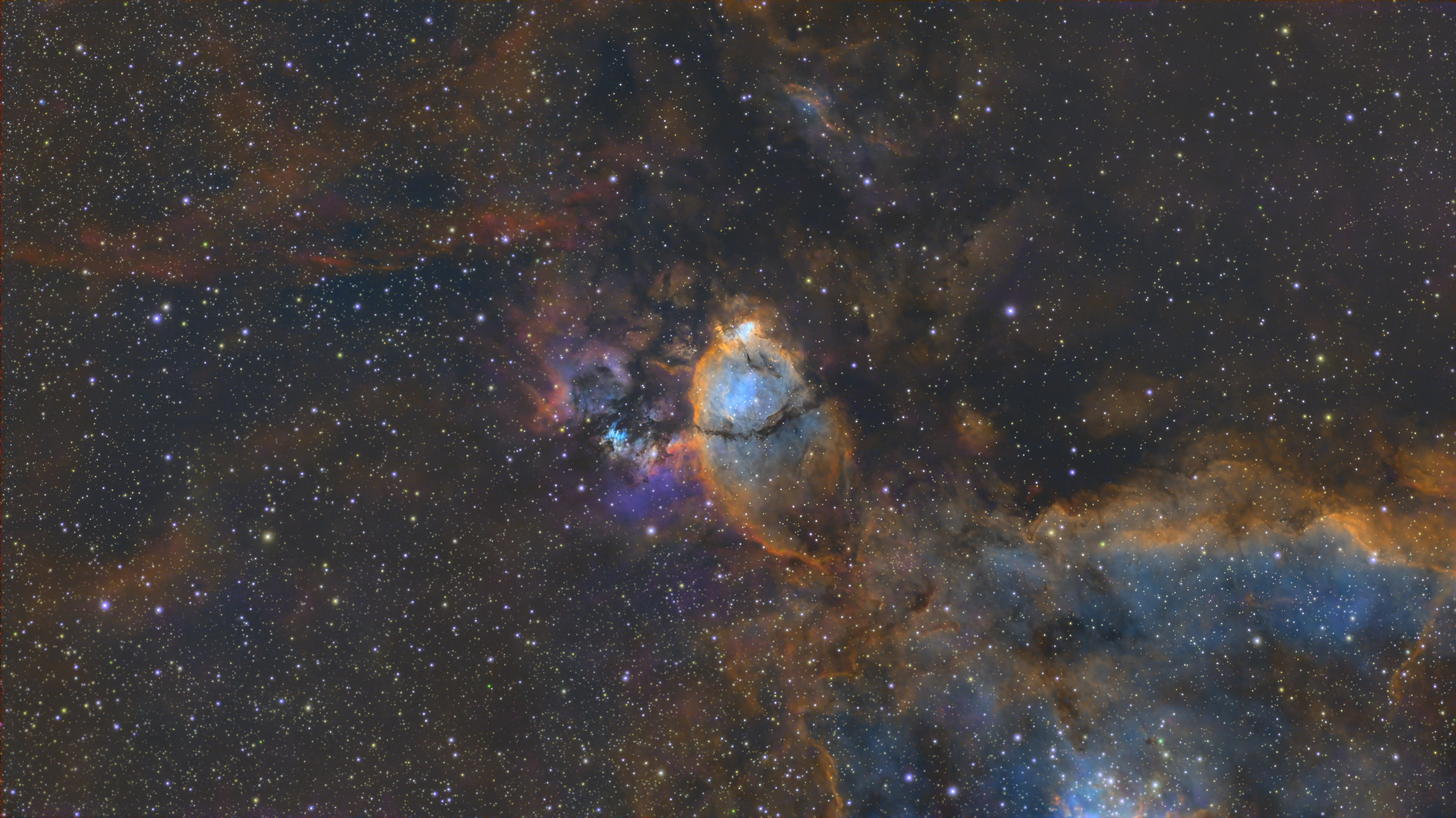
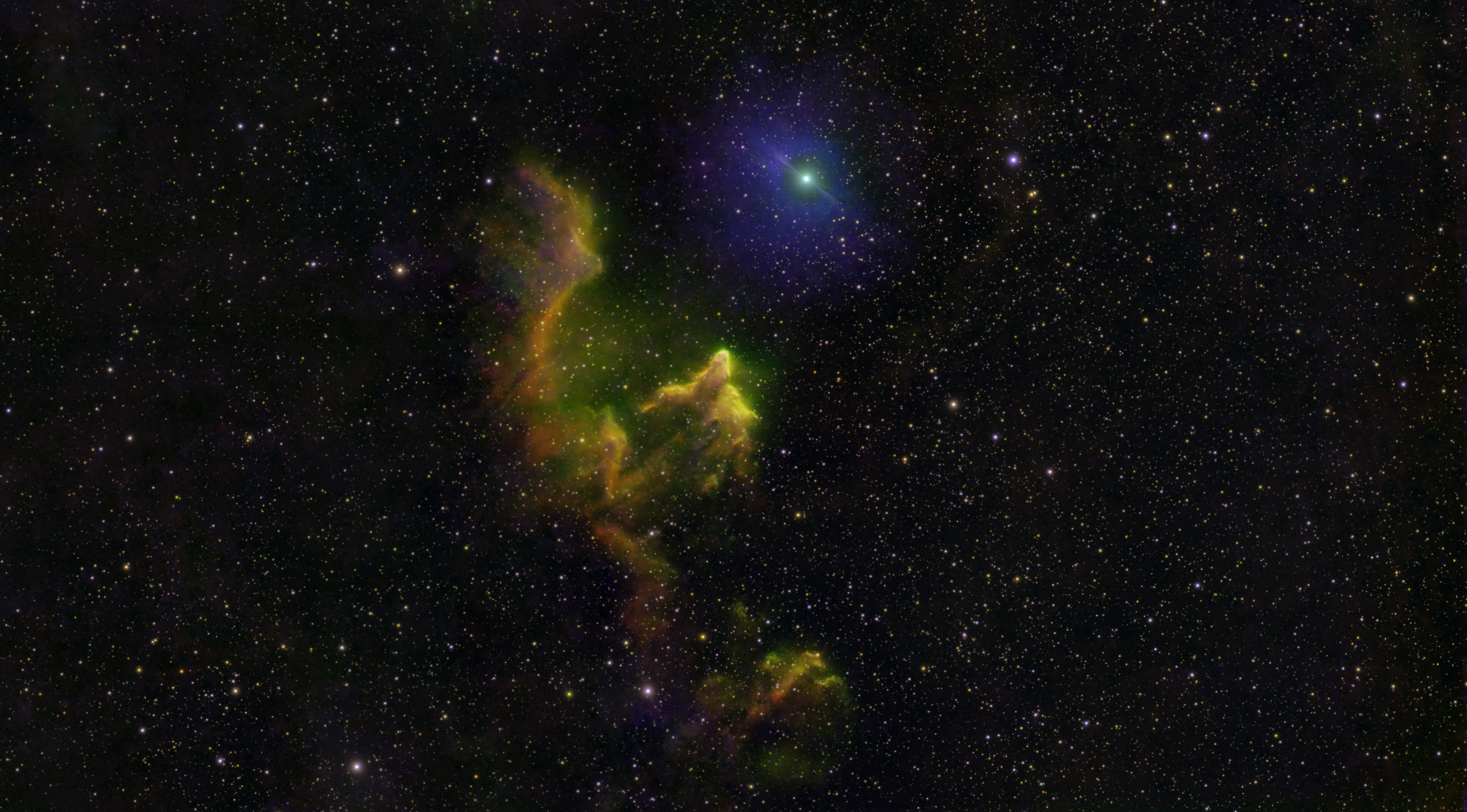
The short answer: clear skies, lots of patience/long nights and expensive equipment. You can probably guess that a telescope is involved, but astrophotography requires a lot more equipment. The two main problems with photographing deep sky objects is that from our point of view they are very small and very dim. For visual observation you need a larger telescope to gather more light. When you're taking pictures, you can take long exposures instead. However, the Earth's rotation means that the stars move over the course of the night and long exposures result in trailed stars. But if you rotate your telescope (using what is called an equatorial mount), you can cancel out the Earth's rotation. However, even a five minute exposure usually looks pretty noisy. So, you take a lot of them and overlay them: stars and deep sky objects remain similar between exposures, but noise changes and averages out. I try to get at least one hour of data on any object, but especially for fainter objects I'll sometimes go for upwards of ten hours. Professional observatories may even combine hundreds of hours of data into one picture.
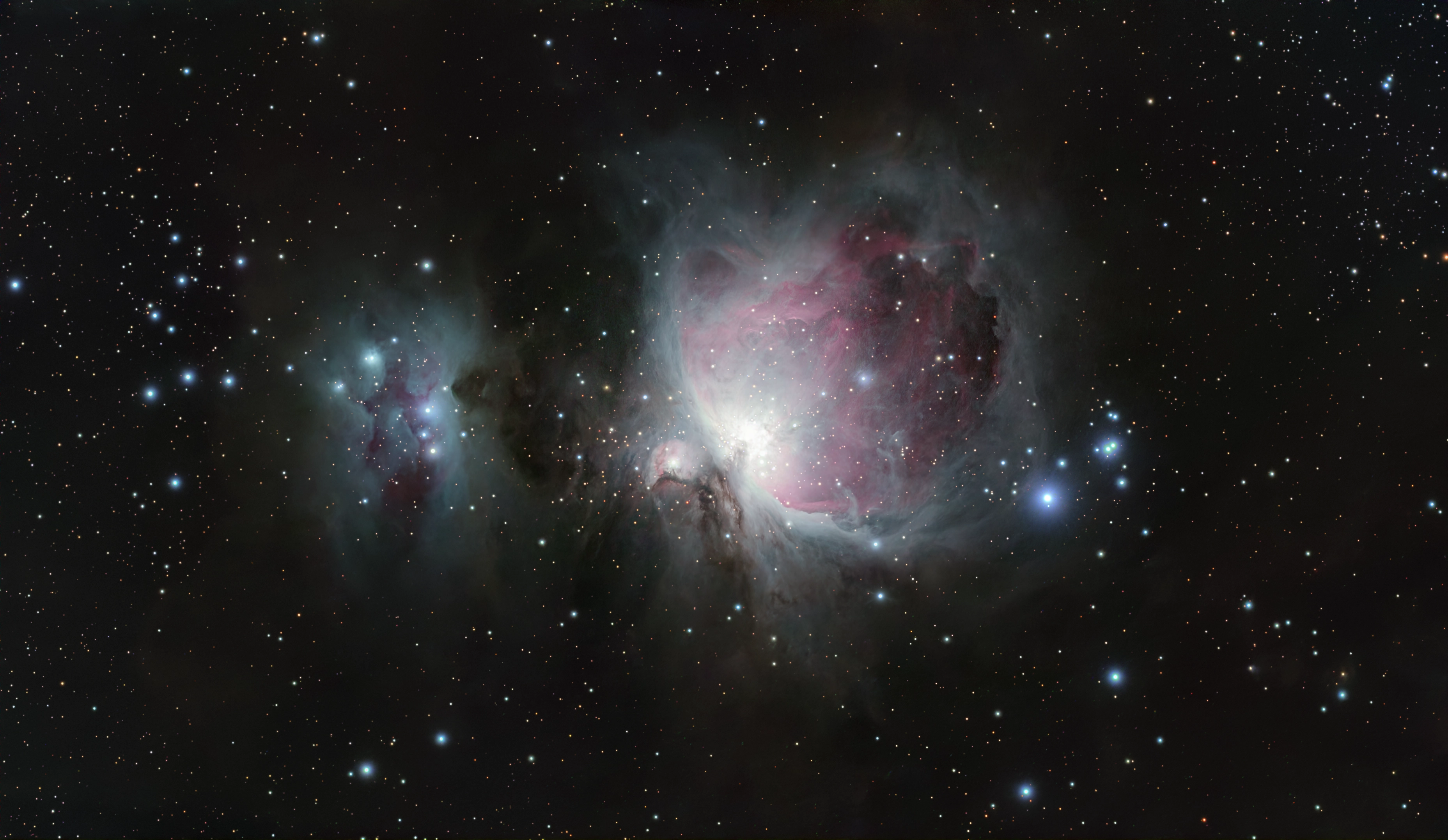
William Optics Spacecat 51, SkyWatcher WAVE 150i, Touptek ATR585M Along with the Andromeda Galaxy and the Pleiades, this is one of the classic and very impressive targets in astrophotography. Fun fact: M 42 is bright enough that you can accidentally overexpose it.
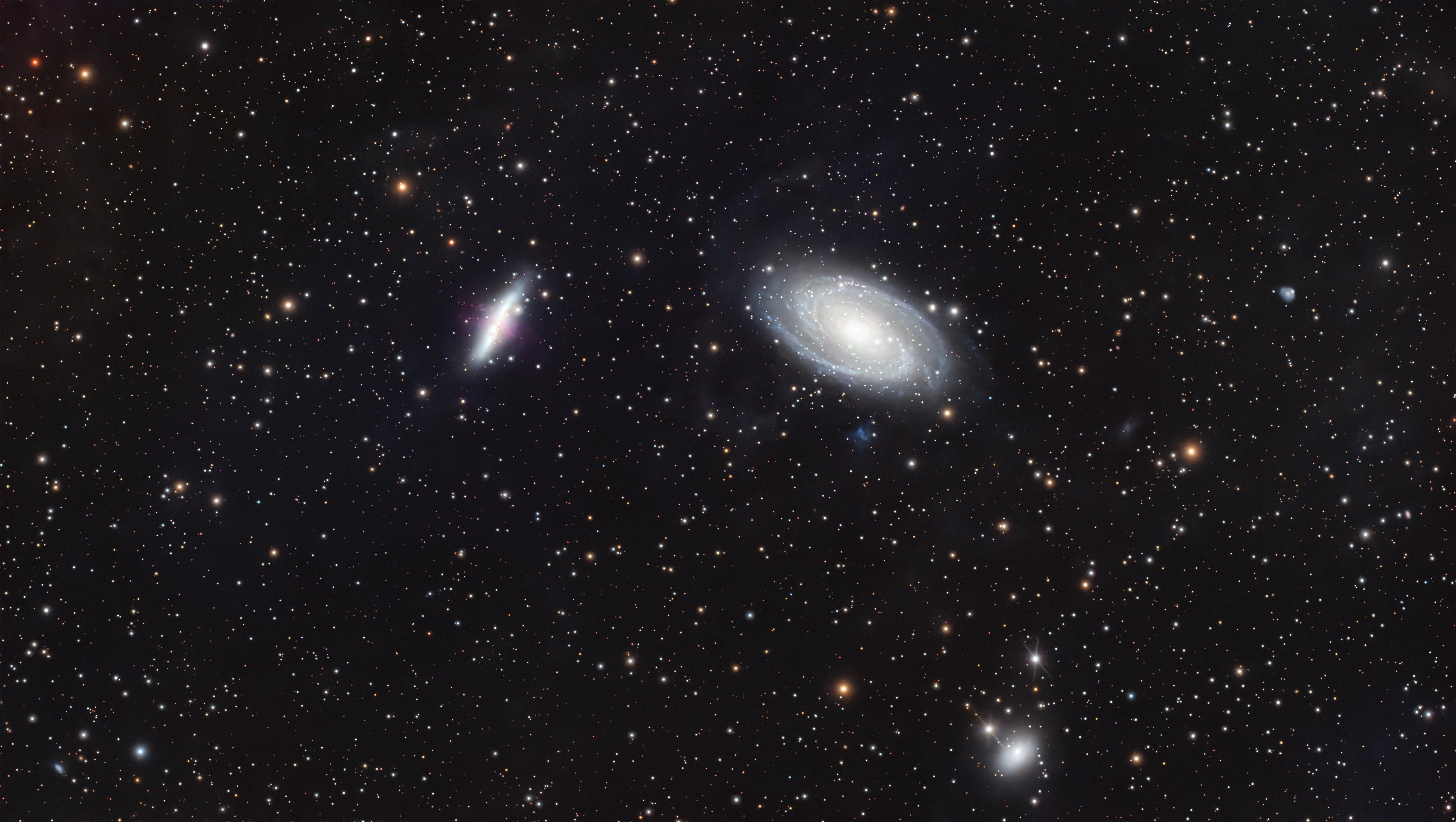
William Optics Spacecat 51, SkyWatcher WAVE 150i, Touptek ATR585M These two galaxies were my first deep sky target, so revisiting them with a better mount and camera was fun! The H-Alpha emission from M82 is a particularly nice detail that I couldn't capture the first time around.
William Optics Spacecat 51, SkyWatcher WAVE 150i, Touptek ATR585M
William Optics Spacecat 51, SkyWatcher Star Adventurer GTi, Touptek ATR585M
William Optics Spacecat 51, SkyWatcher Star Adventurer GTi, Touptek ATR585M; LRGB and Ha
William Optics Spacecat 51, SkyWatcher Star Adventurer GTi, Touptek ATR585M
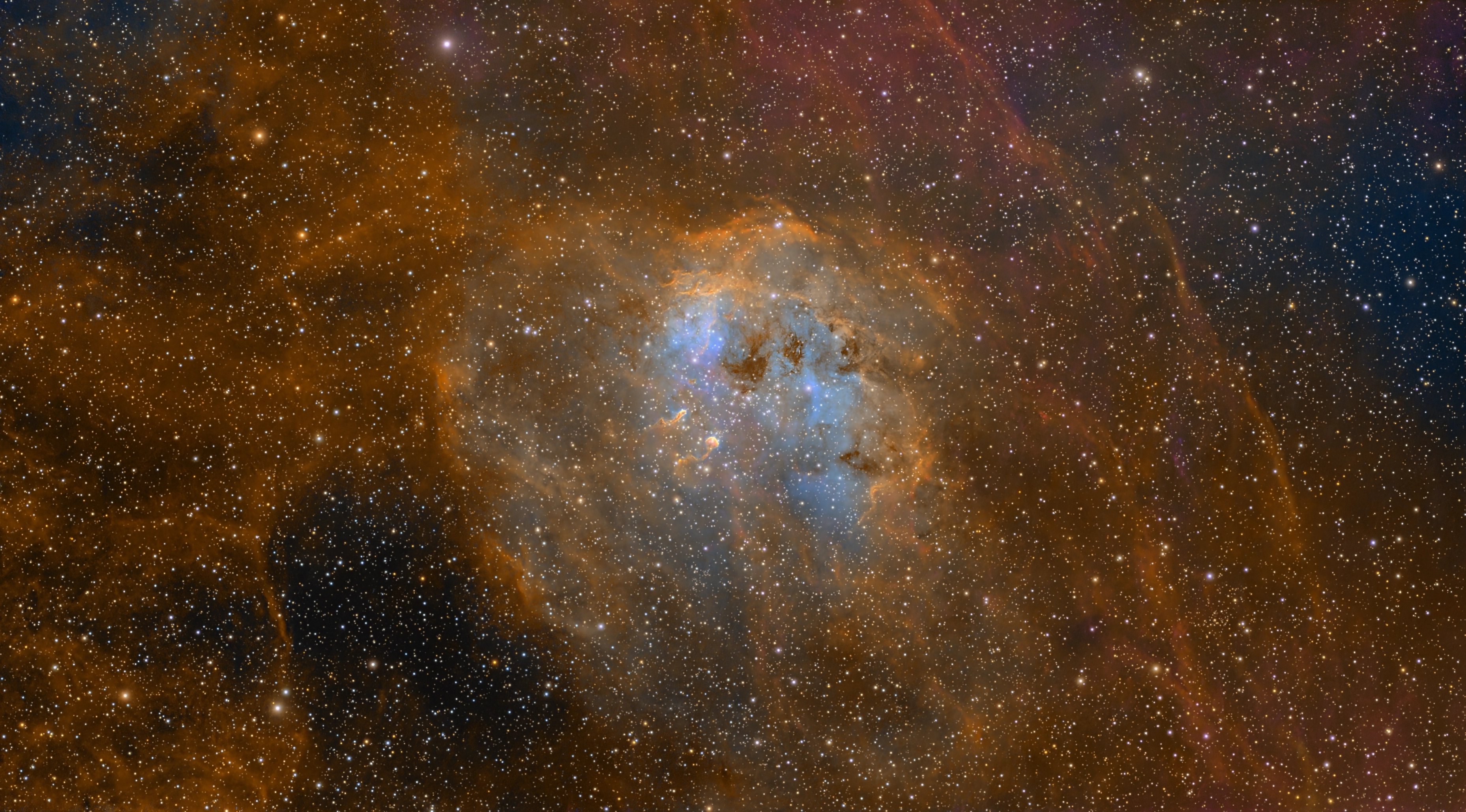
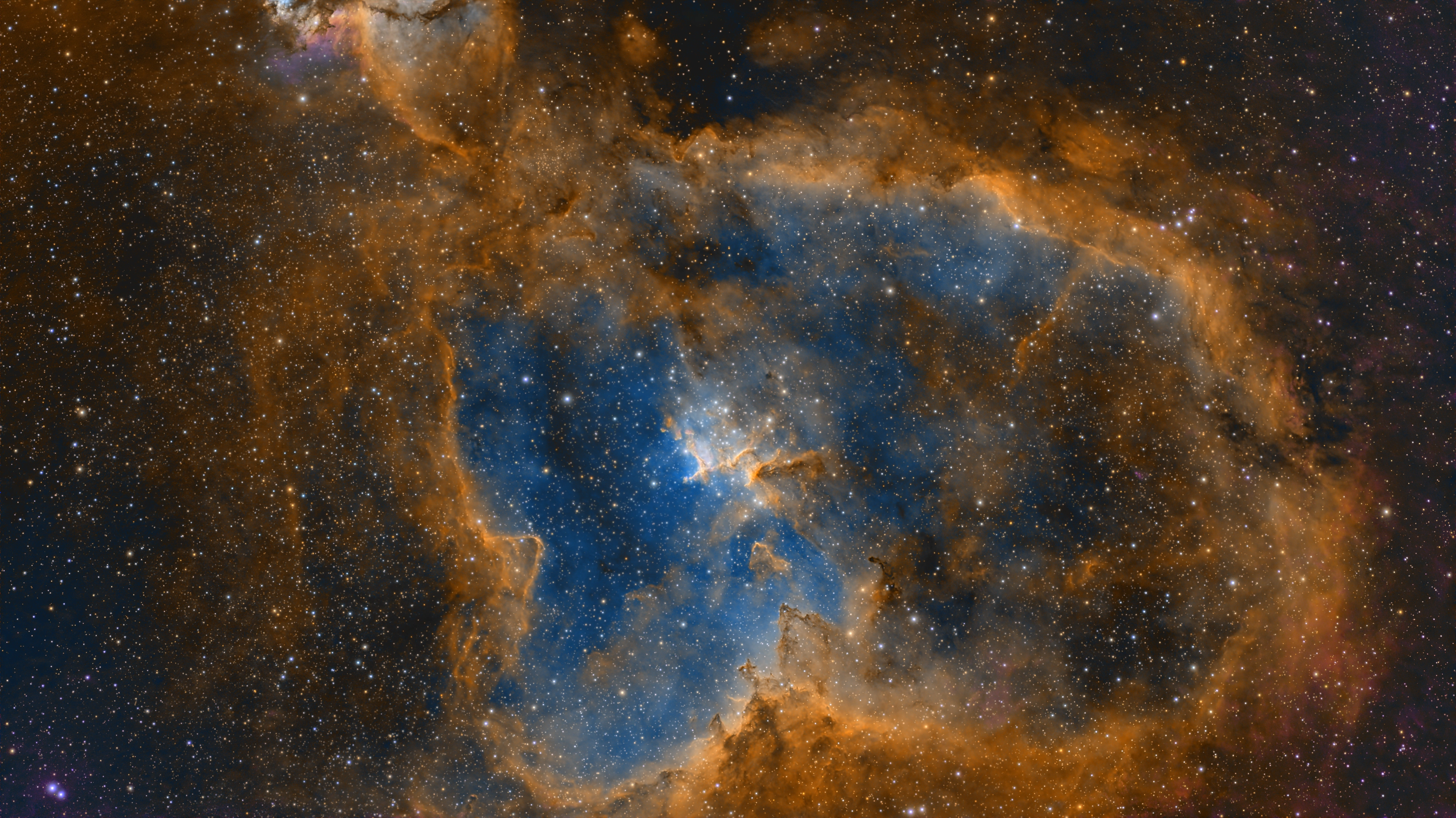
William Optics Spacecat 51, SkyWatcher Star Adventurer GTi, Touptek ATR585M; 2.5h integration time with 50min of SII/Ha/OIII each, processed in Hubble Palette colors.
William Optics Spacecat 51, SkyWatcher Star Adventurer GTi, Canon EOS R50; I originally had a different version of this nebula up. This one is with about four hours of integration time and slightly less aggressive processing. This target is quite difficult with an unmodified camera as there is a lot of faint H Alpha, but you can already see quite a bit of it in the fainter structures here.
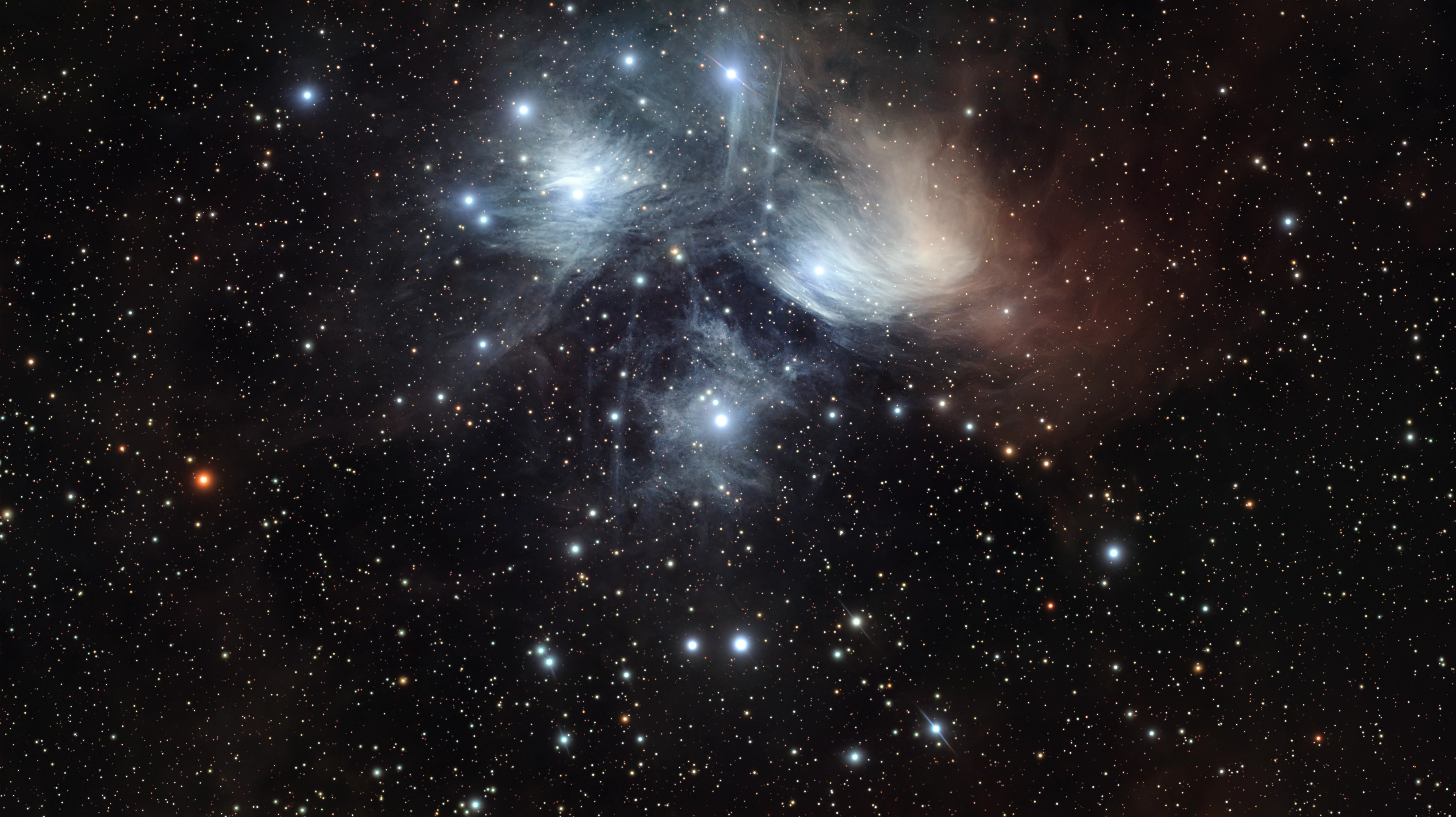
William Optics Spacecat 51, SkyWatcher Star Adventurer GTi, Canon EOS R50; This is the result of slightly less than an hour of integration time on an unmodified sensor. With a modified camera, the nebula would look a lot more red.
William Optics Spacecat 51, SkyWatcher Star Adventurer GTi, Canon EOS R50; This is my second attempt at this target. To avoid bloated stars, I went with short 20s exposures.
William Optics Spacecat 51, SkyWatcher Star Adventurer GTi, Canon EOS R50
William Optics Spacecat 51, SkyWatcher Star Adventurer GTi, Canon EOS R50; 5h Integration Time. I'm not super happy with the contrast on this one, but it was the best I could do with an almost full moon. Definitely a target I will revisit.
William Optics Spacecat 51, SkyWatcher Star Adventurer GTi, Canon EOS R50; 5h Integration time.
William Optics Spacecat 51, SkyWatcher Star Adventurer GTi, Canon EOS R50
SkyWatcher Star Adventurer GTi, Canon EOS R50